|
|
| Meet Liana | Online Treatment | In Person MFR | Pricing | Podcast | Video Blog | Home |
| Forward Head |
||
|
|
|
|
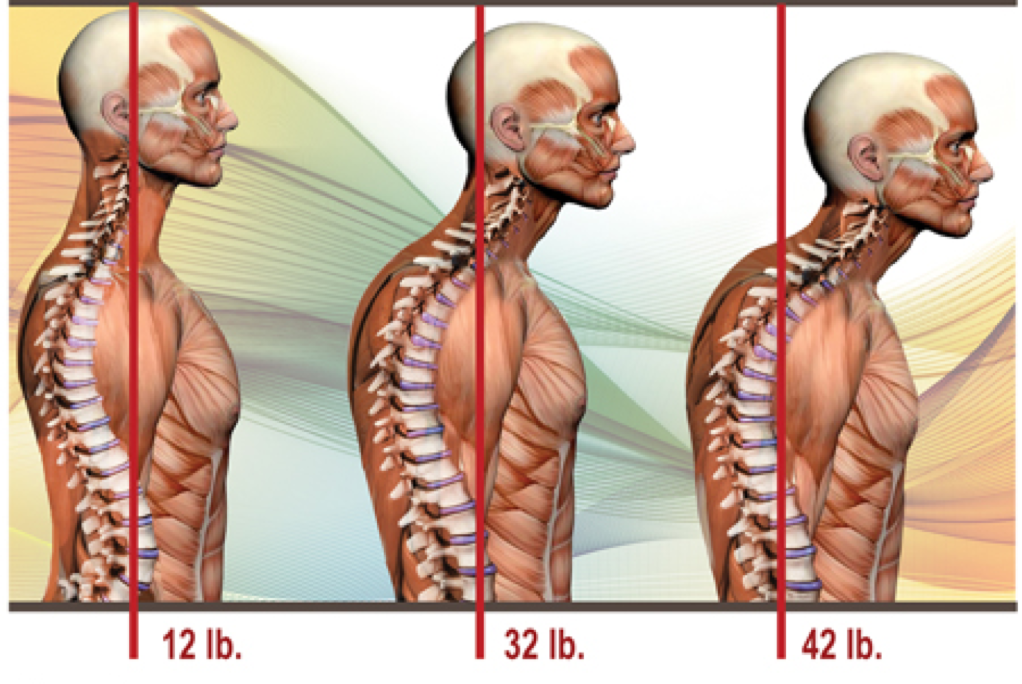
| For every inch of forward head posture, the weight of the head on the spine increases by an additional 10 pounds. This may not sound like much but an extra 10 pounds sitting on top of your neck is very serious. It will make the muscles on the back and sides of your neck, front of your throat, shoulders & upper back very tight which could impede circulation and cause many other negative issues. Extreme tension in your neck, shoulders and upper back can lead to headaches, migraines, vertigo, nausea, numbness or pain down the shoulders, arms or hands, herniated discs, vision or hearing issues, TMJ and jaw pain, rotator cuff trouble, and much more. Your neck is a very important area to free up and return to its natural, springy state of ease. Forward head is also a symptom of misalignment lower in your body. First Release Restrictions Keep in mind that just pulling your head backward, if it is forward, would not be a good fix. This would further tighten these areas that are already a problem and make things worse in the long run. Upper body strengthening may also need to be suspended short term if you're actively working on bringing your neck and head into better alignment. Learning to thoroughly release the restrictions in your head, neck, shoulders, arms, back and belly, and repeating those releases often would be a good first step. Doing the releases yourself will allow you to get the repetition you need to make lasting changes to these tight tissues. Next Correct Compensations It's very common to use the muscles on the tops of the shoulders and the neck muscles to compensate for other muscle groups which can drastically increase forward head posture. So, learning to correct your muscle compensations and properly use and balance your muscles is very important for supporting proper neck and head alignment over your shoulders. Take the Forward Head Challenge: Hold a necklace against the front of your chin and notice where the bottom of the chain or pendant touches your sternum while your head is in a neutral position. If it doesn't touch your sternum and just swings in the air out in front of your chest, you know you have a serious case of forward head. Ideally the bottom of the necklace would touch the middle of your sternum if your head were balanced right above your shoulders. Perfect alignment may not be possible for everyone's body but every body can certainly benefit from releasing the fascia and correcting the muscle compensations that effect your head and neck. ng the muscle compensations that effect the alignment of your head and neck. |
||
 |
     |
  |
| Info@bodyfirstmfr.com |  |
call/text 630-915-1469 |